

Frozen Shoulder
Expert Shoulder Surgeons in Orange County, CA
What is Frozen Shoulder?
Limited motion is an early symptom of a frozen shoulder (also known as Adhesive Capsulitis), which is a general term denoting all causes of motion loss in the shoulder. It affects more women than men, with onset occurring usually between ages 40 and 65. Approximately 10% to 20% of diabetics may be at risk of developing the condition, as well as those who have suffered trauma or overuse injuries. Patients with hyperthyroidism, cardiovascular disease, clinical depression or Parkinson’s disease may also be predisposed to developing a frozen shoulder.
Causes of Frozen Shoulder
The causes of frozen shoulder are unknown, although it most likely involves an underlying inflammatory process. The capsule surrounding the shoulder joint thickens and contracts, leaving less space for the upper arm bone (humerus) to move. Frozen shoulder can also develop after a prolonged immobilization because of trauma or surgery to the joint. Usually only one shoulder is affected, although in about one-third of cases, motion may be limited in both arms.
Frozen Shoulder Symptoms
If you’re having trouble lifting your arm above your head, reaching across your body or behind your back, you may have a problem with the range of motion in your shoulder. Frozen shoulder develops slowly, and in three stages:
- Stage One: Pain increases with movement and is often worse at night. There is a progressive loss of motion with increasing pain. This stage lasts approximately 2 to 9 months.
- Stage Two: Pain begins to diminish, and moving the arm is more comfortable. However, the range of motion is now much more limited, as much as 50 percent less than in the other arm. This stage may last 4 to 12 months.
- Stage Three: The condition begins to resolve. Most patients experience a gradual restoration of motion over the next 12 to 42 months; surgery may be required to restore motion for some patients.
Frozen Shoulder Treatments
Treatment is aimed at relieving the discomfort and restoring motion and function to the shoulder. Nonoperative treatments include muscle relaxers and medications (such as aspirin or ibuprofen) to reduce the inflammation and relieve the pain; heat or ice therapies; corticosteroid injections; and a program of physical therapy, often combined with home exercises and other therapies, to stretch and help restore motion and function.
Surgery is an option, but only if there is no improvement after several months. Arthroscopic surgery can successfully release and repair the shoulder, but it must be mobile.
Our Frozen Shoulder Service Providers
-
 Shaunak S Desai MD
- Orthopedic Surgery
View Profile -
 Taylor R Dunphy MD
- Orthopedic Surgery
View Profile -
 John Ibrahim MD
- Orthopedic Surgery
View Profile -
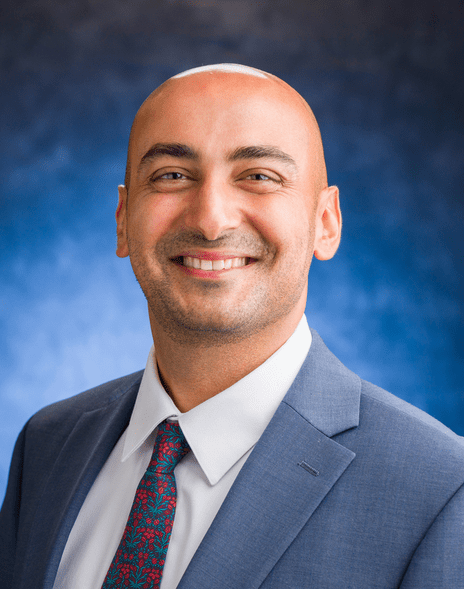
 Hafiz F. Kassam MD
- Orthopedic Surgery
View Profile -
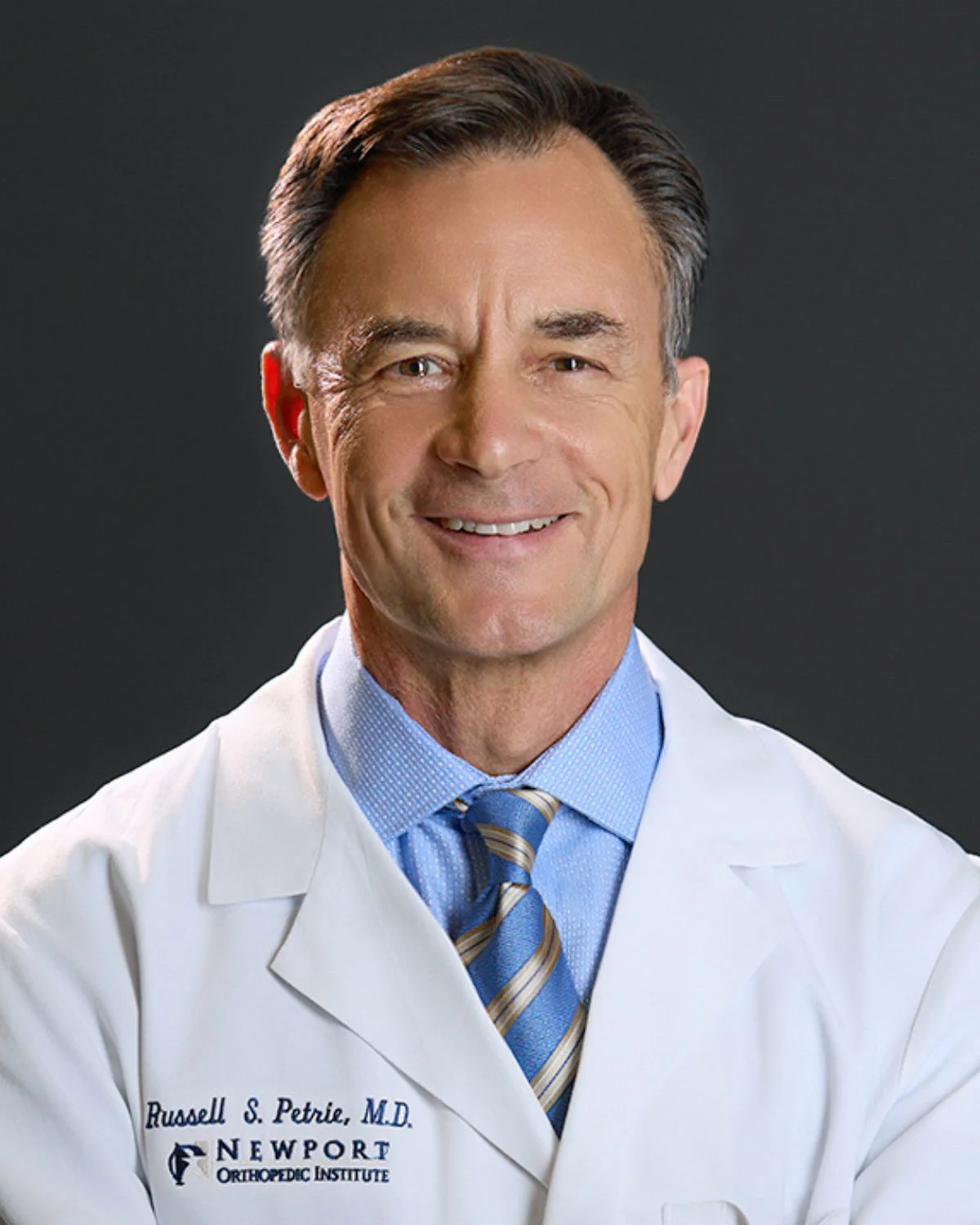 Russell Petrie MD
- Orthopedic Surgery
View Profile -
 Emilia Ravski DO
- Sports Medicine (Non-Operative)
View Profile -
 James H Ting MD
- Sports Medicine (Non-Operative)
View Profile -
 Myra Trivellas MDView Profile

Where we provide Frozen Shoulder Services
-
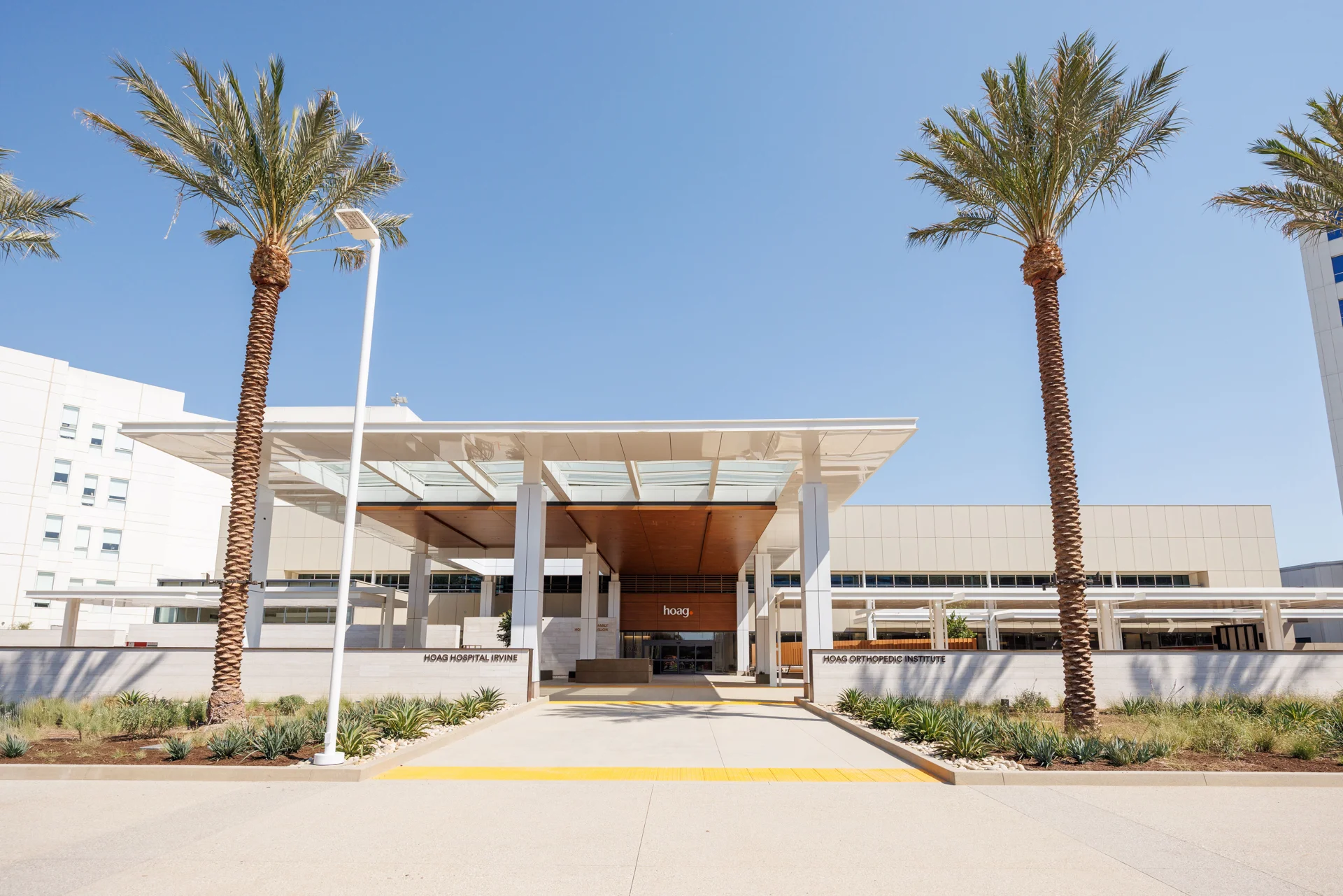
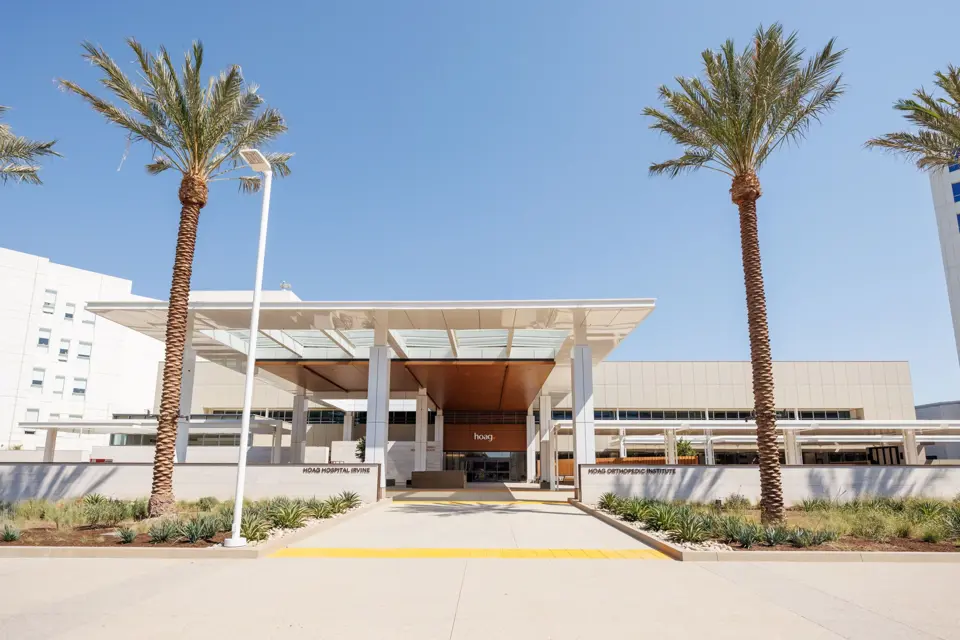 Hoag Orthopedic Institute Hospitals & Surgery Centers 16250 Sand Canyon Ave.
Irvine, CA 92618View Location -
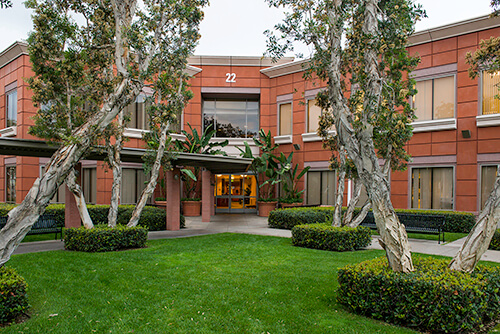
 Hoag Orthopedic Institute Surgery Center - Newport Beach Hospitals & Surgery Centers 22 Corporate Plaza, Suite 150
Newport Beach, CA 92660View Location -
 Newport Orthopedic Institute - Huntington Beach Orthopedics Physician Offices 19582 Beach Boulevard, Suite 306
Huntington Beach, CA 92648View Location -
 Newport Orthopedic Institute - Irvine Orthopedics Physician Offices 16300 Sand Canyon Ave, Suite 400
Irvine, CA 92618View Location -
 Newport Orthopedic Institute - Newport Beach Orthopedics Physician Offices 22 Corporate Plaza Drive
Newport Beach, CA 92660View Location -
 Newport Orthopedic Institute - San Clemente Orthopedics Physician Offices 993 Avenida Pico
San Clemente, CA 92673View Location

Stories about our Frozen Shoulder Services
-
- Shoulder
Shoulder Scope With Reconstruction
Provider: Russell Petrie MD“Dr. Petrie and his team provide excellent communication!” -
- Shoulder
Shoulder Scope With Reconstruction
Provider: David S Gazzaniga MD“The nurses very knowledgeable and the surgery went well. We received prompt answers to questions using the HealthLoop app.” -
- Shoulder
Shoulder Scope With Reconstruction
Provider: Russell Petrie MD“I feel that both Dr. Petrie and Karri are extremely knowledgeable and skilled. I also appreciated that they were very patient and answered all my questions. But mostly, I'm just really happy so far with the results of my surgery.” -
- Shoulder
Shoulder Scope With Reconstruction
Provider: Russell Petrie MD“I felt like every nook and cranny of my care was attended to by Dr. Petrie and his team. I especially found having Julie at the helm of Health Loop useful and appreciated how she has swiftly gotten back to me regarding all concerns regarding my care.” -
- Shoulder
Petrie Shoulder Scope With Reconstruction
Provider: Russell Petrie MD“They covered all that would take place. Made sure I was ready. Then did a thorough job of assuring my operation was successful.” -
- Shoulder
Shoulder Replacement
Provider: Russell Petrie MD“Time in explaining and listening”
Related Videos
-
 Acromioclavicular (AC) Joint ArthritisWatch Video
 -
 Acromioclavicular (AC) Joint Separation RepairWatch Video
 -
 Anatomy of the ShoulderWatch Video
 -
 Arthroscopic Capsular ReleaseWatch Video
 -
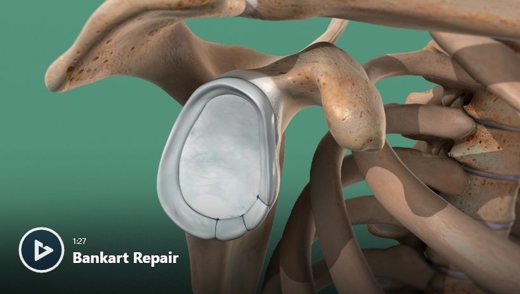 Bankart RepairWatch Video
 -
 Biceps Tendon Tear (at the Shoulder)Watch Video
 -
 Biceps TendonitisWatch Video
 -
 Burners and StingersWatch Video
 -
 Bursitis of the Shoulder (Subacromial Bursitis)Watch Video
 -
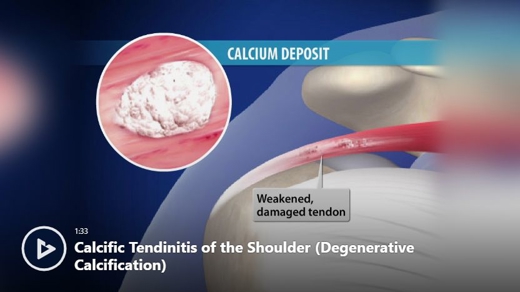 Calcific Tendinitis of the Shoulder (Degenerative Calcification)Watch Video
Blogs about Frozen Shoulder Services and Care
-
 Hafiz Kassam, M.D. Receives the Nation’s Highest Award for Clinical Science in Shoulder & Elbow Surgery
Hafiz Kassam, M.D., orthopedic surgeon and Director of the Shoulder Reconstruction Division at Hoag Orthopedic Institute, has been awarded the Charles ...
Read More -
 Introducing Hafiz Kassam, M.D., Now Accepting New Patients!
Newport Orthopedic Institute is pleased to welcome Dr. Hafiz Kassam to our team. Dr. Kassam is a board-certified orthopedic surgeon who is ...
Read More